
The timbers of guyama
At the heart of what we do
Forestry as an Industry in Guyana
The forest of Guyana covers some 16.45 million hectares of 76.6% of the total land area. Of this
area only about half (8.7 million hectares) is considered accessible for economic exploitation.
This forest is generally considered tropical moist evergreen rainforest, though represented by
various forest types.
The permanent State Forest Estate, which covers some 13.58 million hectares, is administrated
by the Guyana Forestry Commission. The remaining forest areas are either Private Property,
Community Titled Area or State Lands administered by the Guyana lands and Surveys
Commission.
The forests are heterogeneous in nature. About 70 species of timber are regularly extracted with
another forty (40) species being extracted in more irregular manner.
The forestland is dissected by many large rivers that provide a means of transporting forest
produce to the processing centers. Some of these rivers, however, are very difficult to navigate
due to masses of rock outcrops in their channels and periodic low water patterns.
Forests are allocated to loggers under a three-tiered system. Firstly, there is the State Forest
Permission (SFP), which is granted for small, short-term operations (two years) and where no
heavy investment is required. The SFP does not give exclusive rights to the area it covers.
Holders of State Forest Permissions generally concentrate on the production of fuelwood
(charcoal and firewood), posts and timber. When the area exceeds 400 hectares, an acreage fee
is payable.
Secondly there is the Wood Cutting Lease (WCL) which grants rights to extract timber and other
forest produce for periods between 3-8 years. Simple forms of Management Plans are required
and a stipulated minimum royalty level is a vital obligation under this system. The areas granted
are much larger than those under the State Forest Permission.
Thirdly, there is the Timber Sales Agreement (TSA), which is considered the major wood cutting
license currently being granted to large operators. This level of operation requires large
investment and sufficiently large areas (over 25,000 ha) to amortize the investments. These
licenses (agreements) grant harvesting rights to the grantee for the period of 15-25 years. Under
this system, it is essential that a detailed forest inventory and Management Plan be prepared
and submitted to the Guyana Forestry Commission for approval.
To date approximately six (6) million hectares of accessible forest have been allocated, of which
about 3.7 million hectares are under TSAs.
In Guyana emphasis is placed on formulation and implementation of Forest Management Plans
not only for exploitation, but to apply appropriate systems to ensure forest conservation, forest
protection, forest for multiple benefits and long- term sustained supplies of wood for industrial
and energy needs.
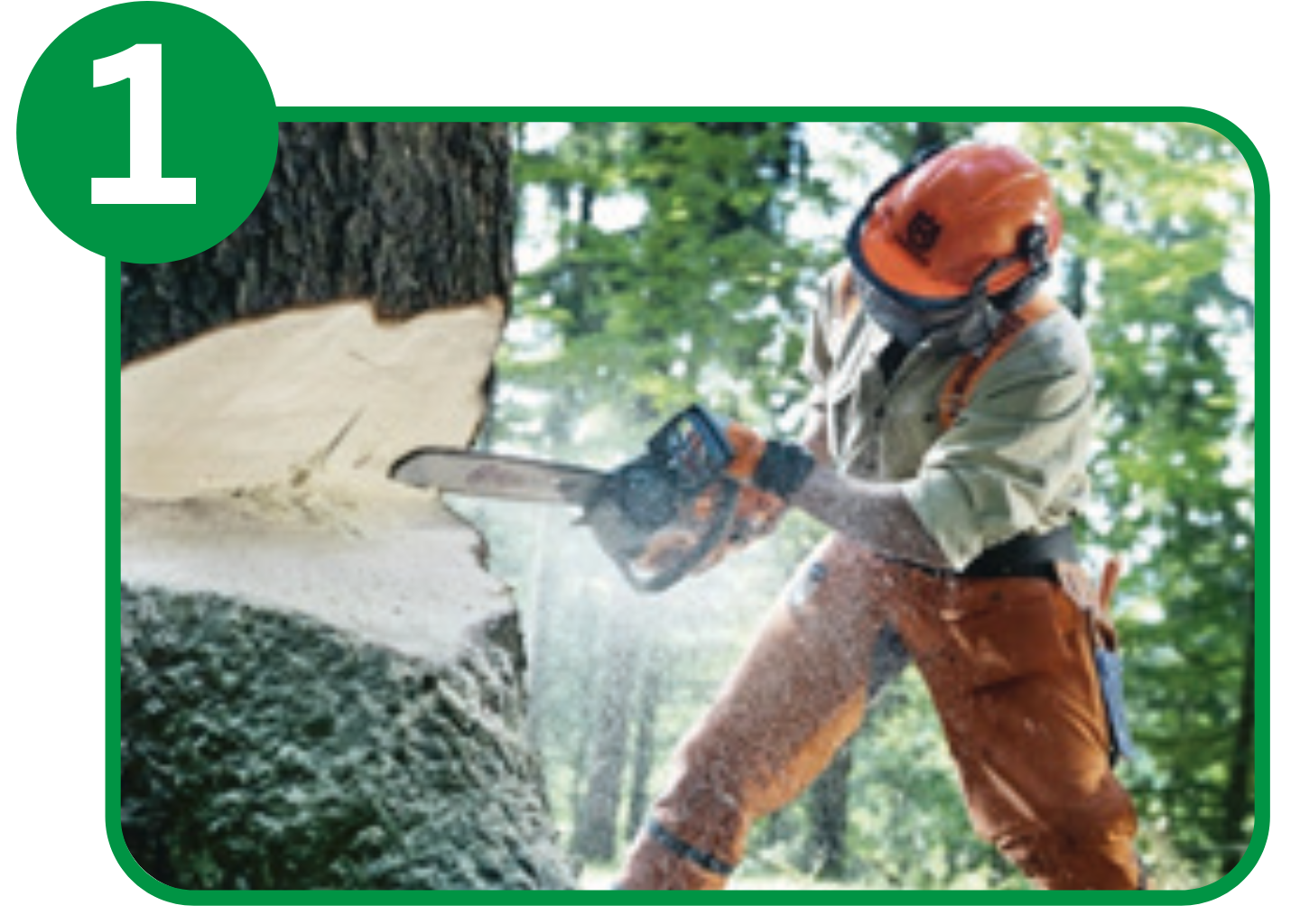
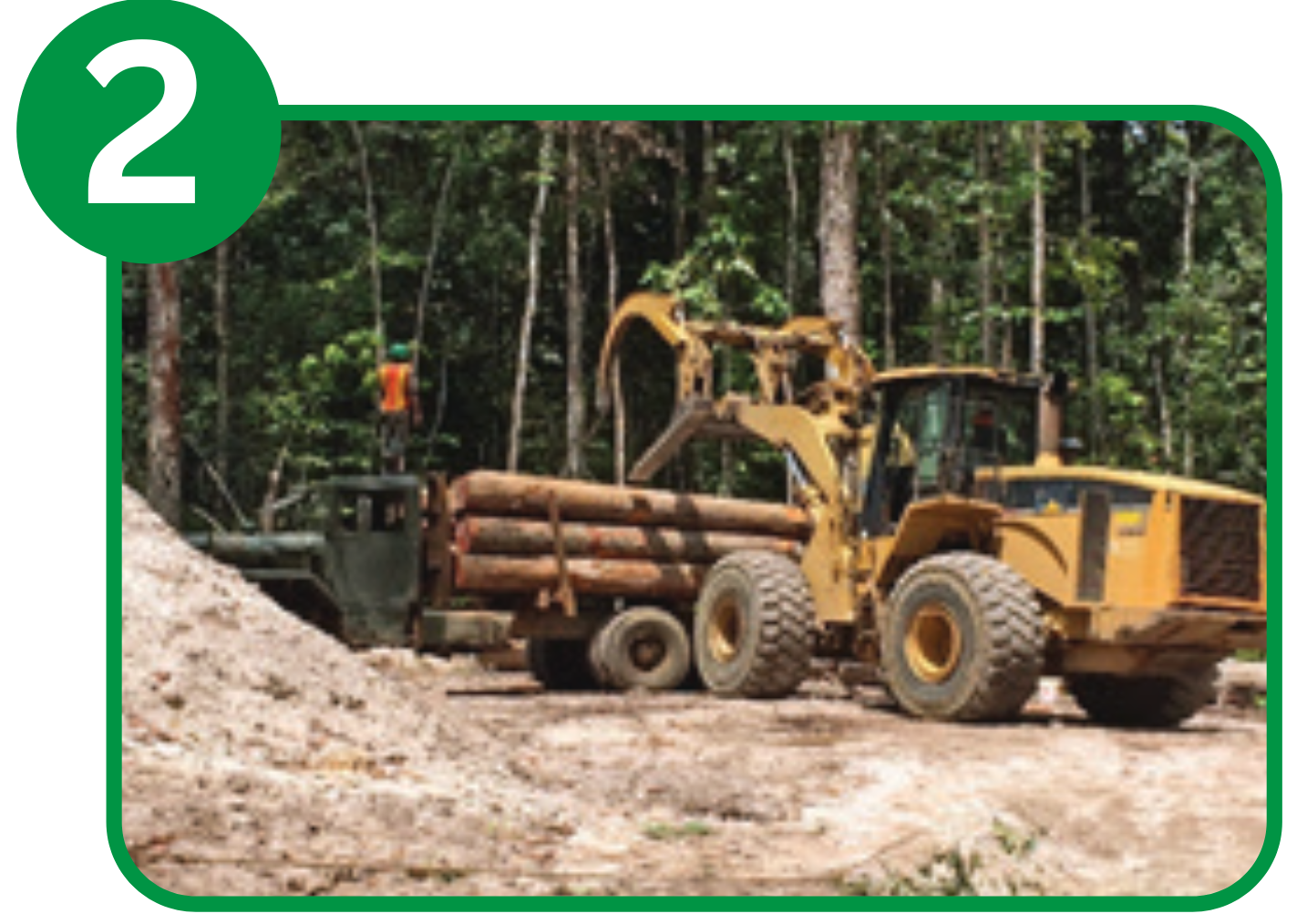
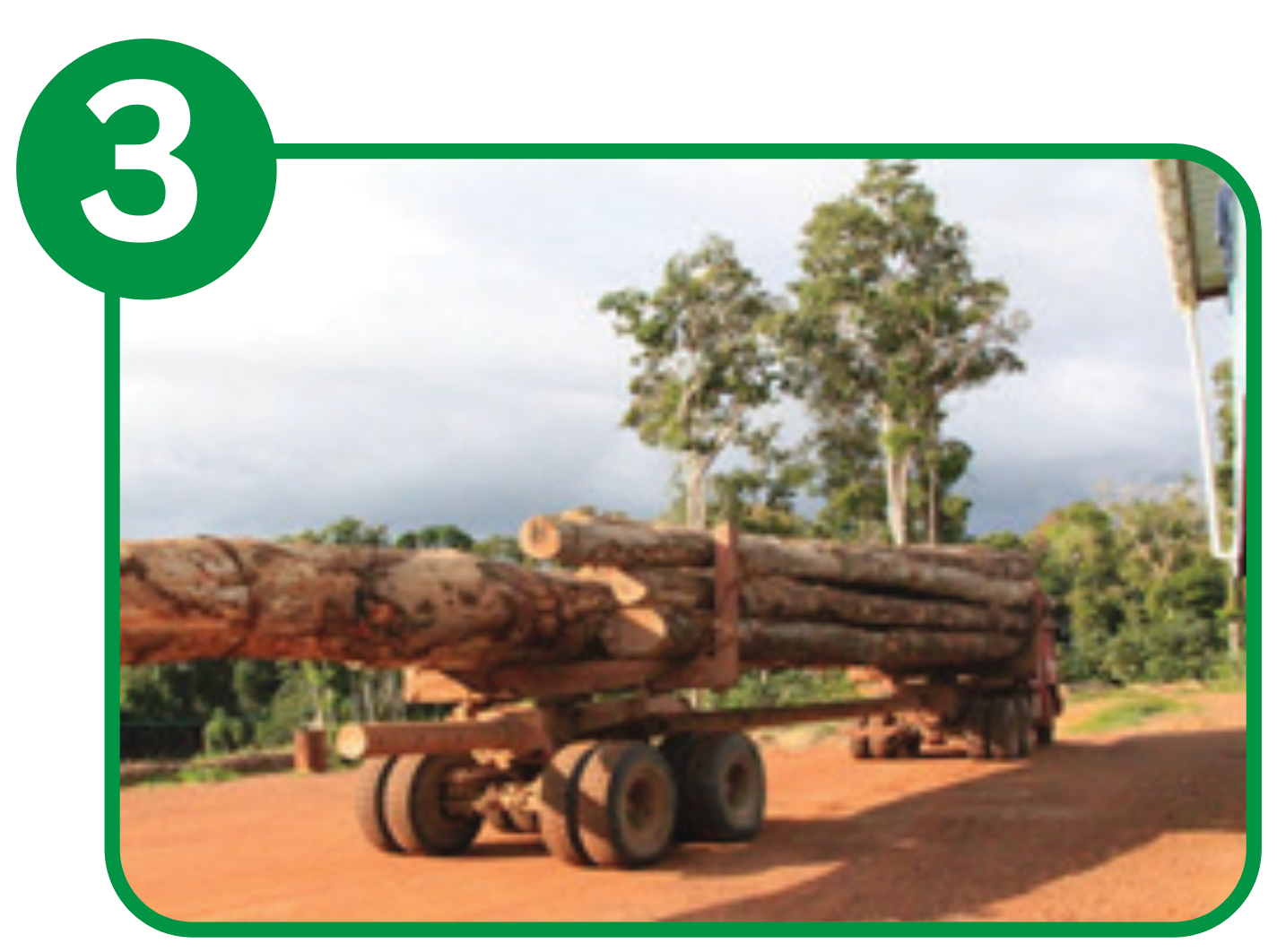
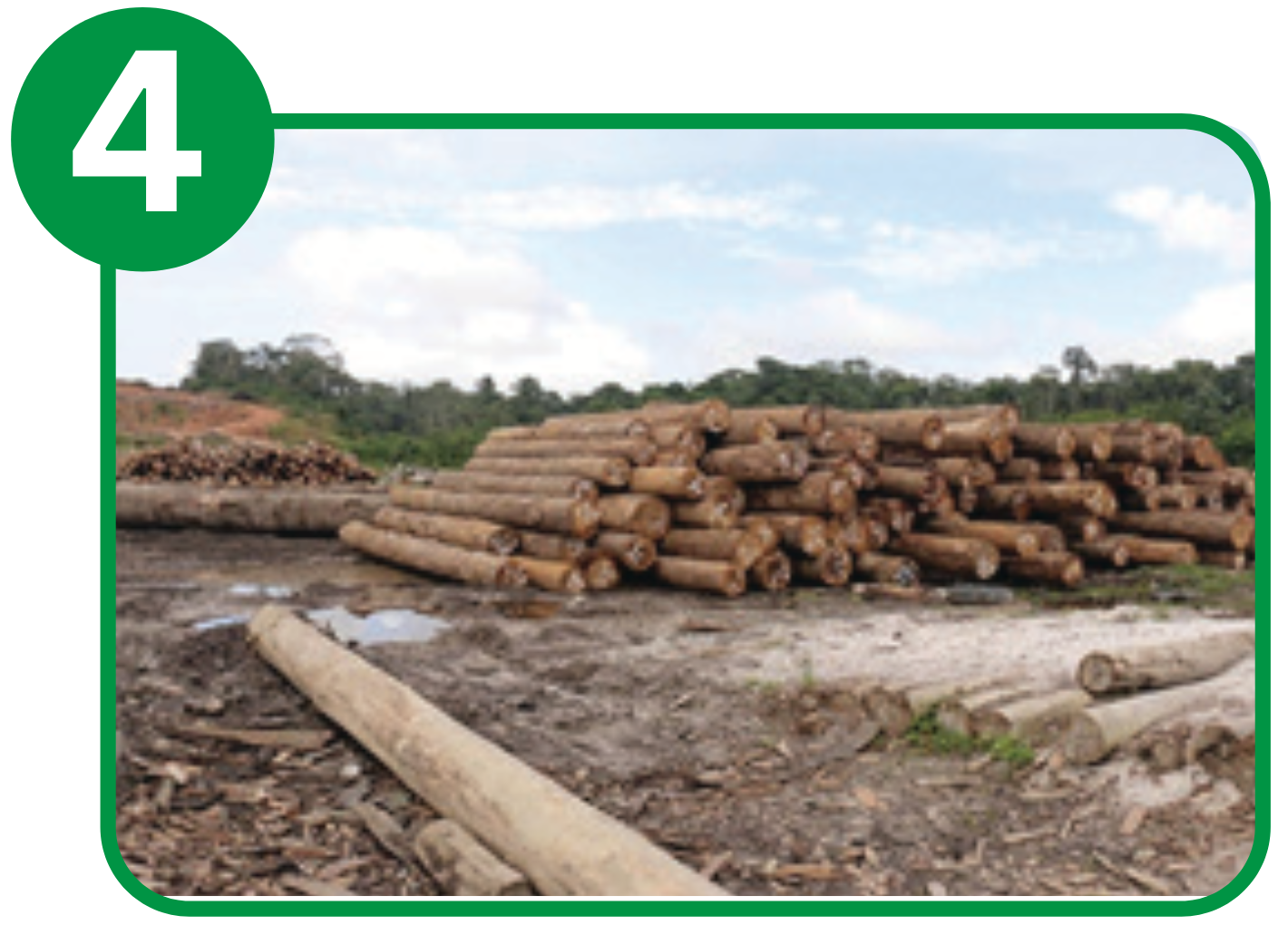
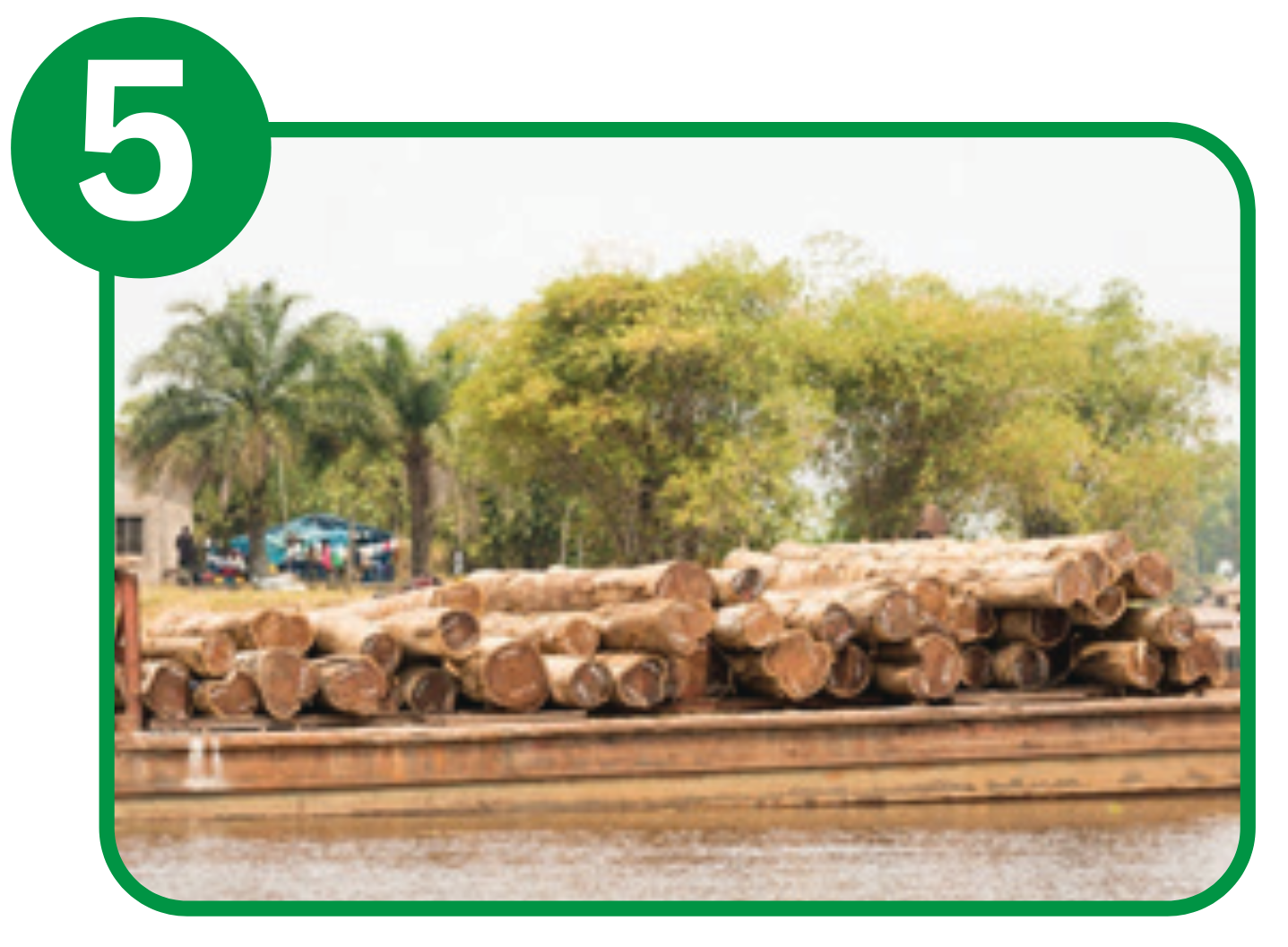
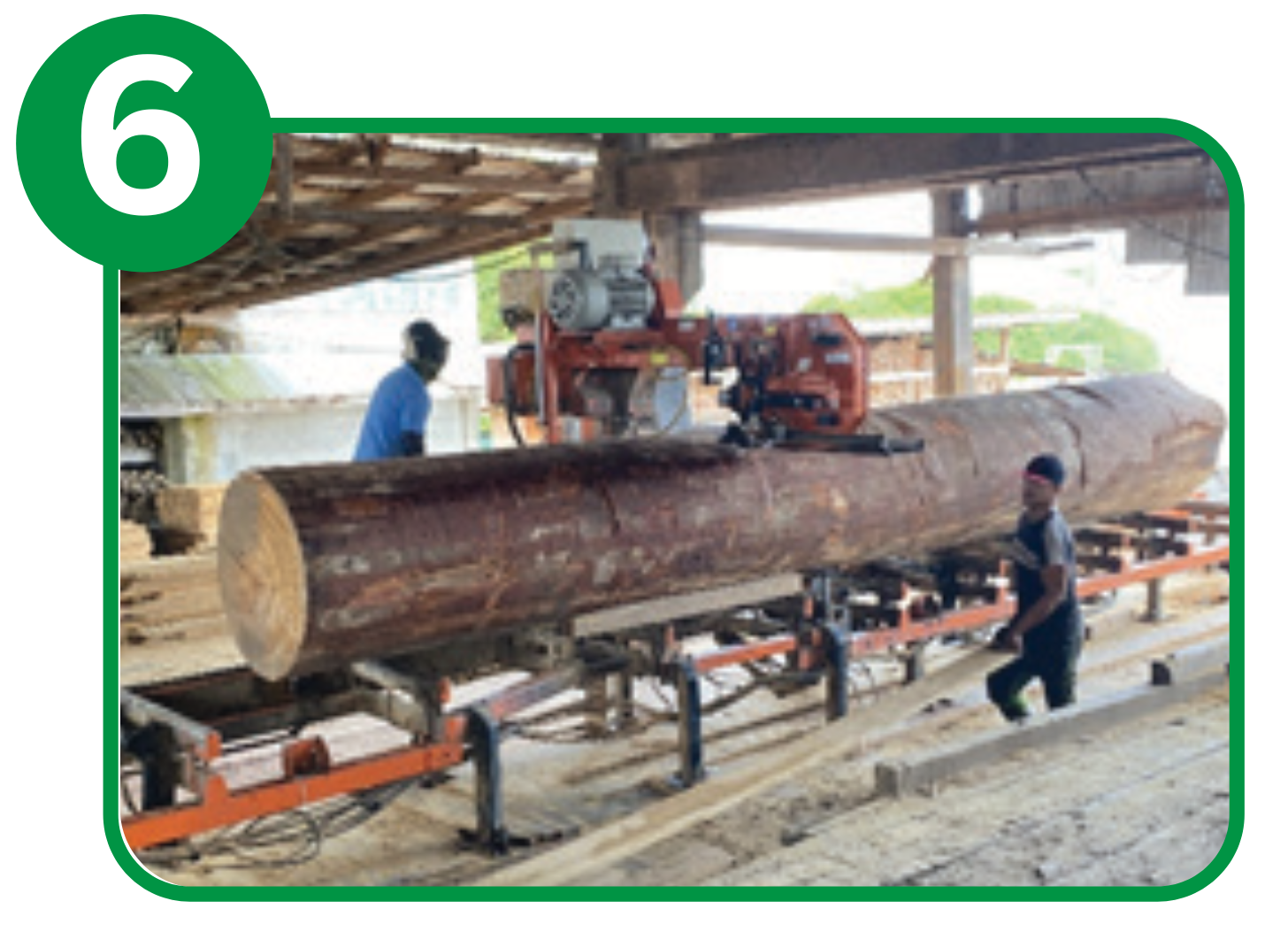
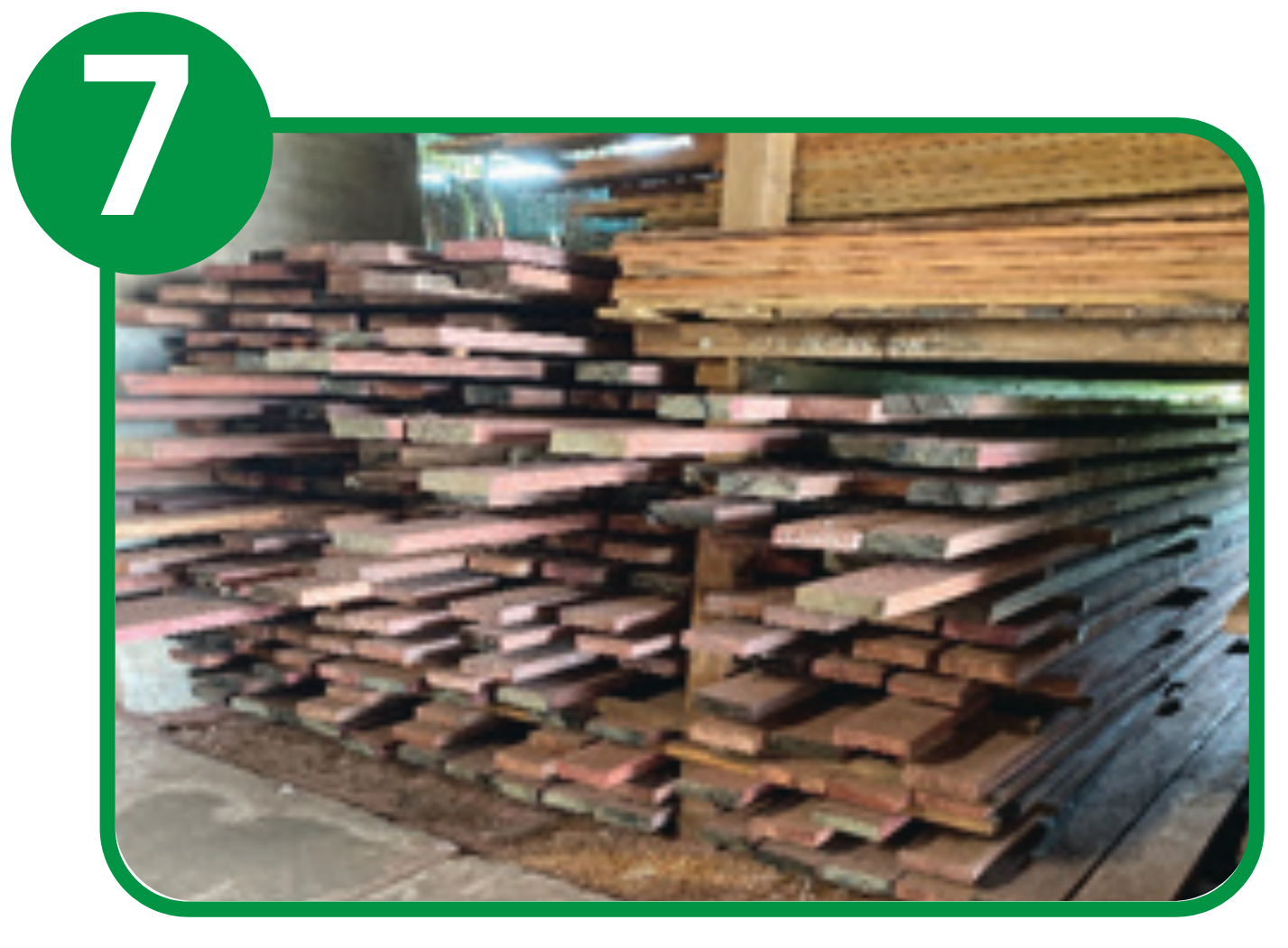
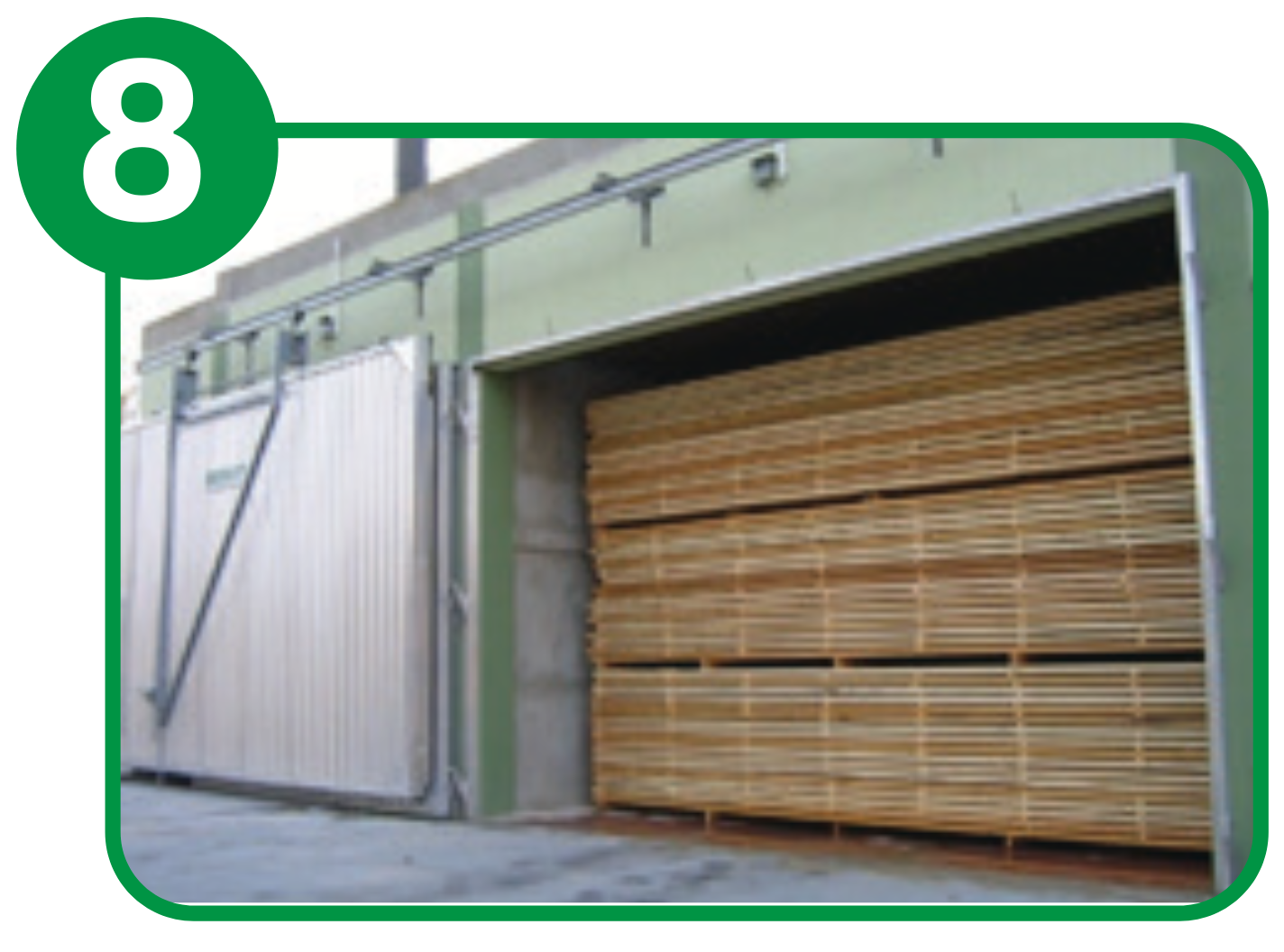
Process of the Timbers
From Log to Finish Products
greenheart
-
Scientific Name : Chlorocardium rodiei -
Family : Lauraceae -
Standard Name : Greenheart -
Other Name : Wood Appearance
Wood Appearance
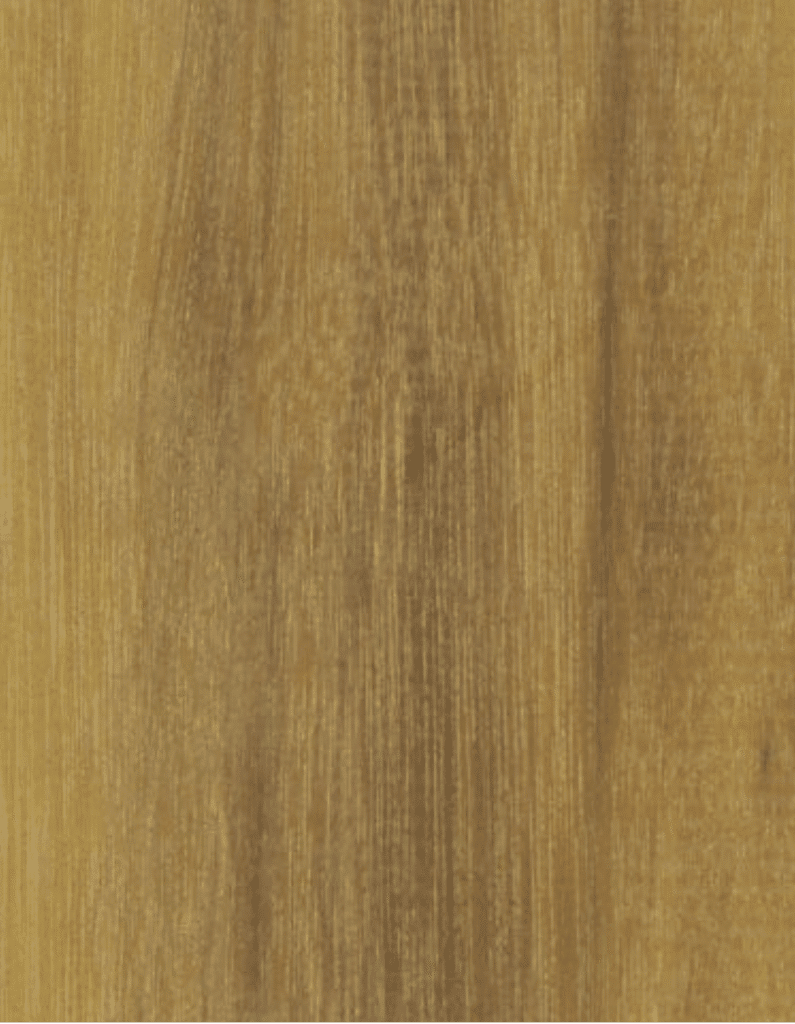
Light greenish to dark olive-green, sometimes marked with brown or black stakes. Sapwood is
Physical and Mechanical Properties
Has exceptionally high strength properties even
when its weight is taken into account:
pale yellow in colour, shading gradually into heartwood. The texture is fine and even and grain
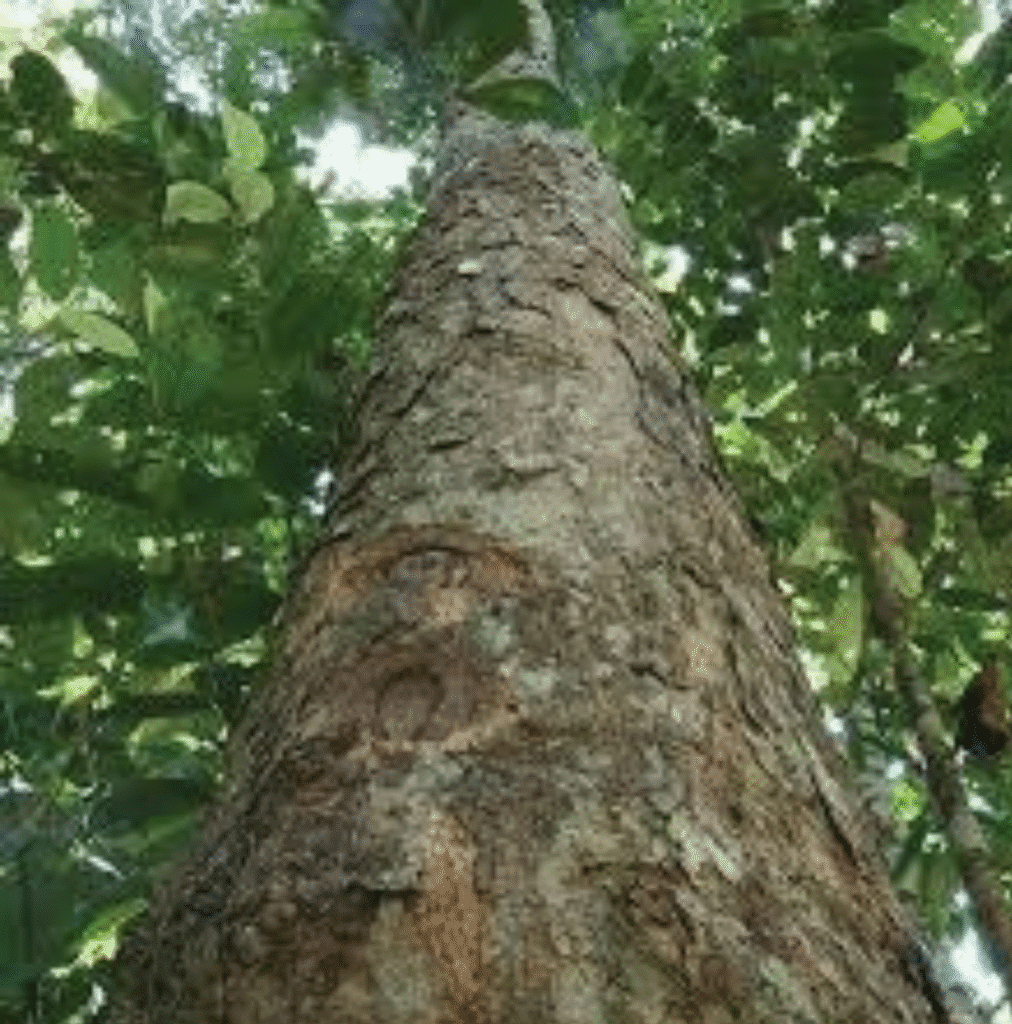
straight or interlocking. The bole is 15-23m in length with a diameter of 35-60 cm.
Physical and Mechanical Properties
Has exceptionally high strength properties even
when its weight is taken into account:
1. Air dried density (12%) – 970 kg/m2
2. Bending strength (at 12%) – 240 N/mm2
3. Modulus of elasticity (at 12%) – 24500 N/mm2
4. Compression parallel to grain – 89.9 N/mm2
5. Crushing strength (at 12%) – 98 N/mm
Natural durability
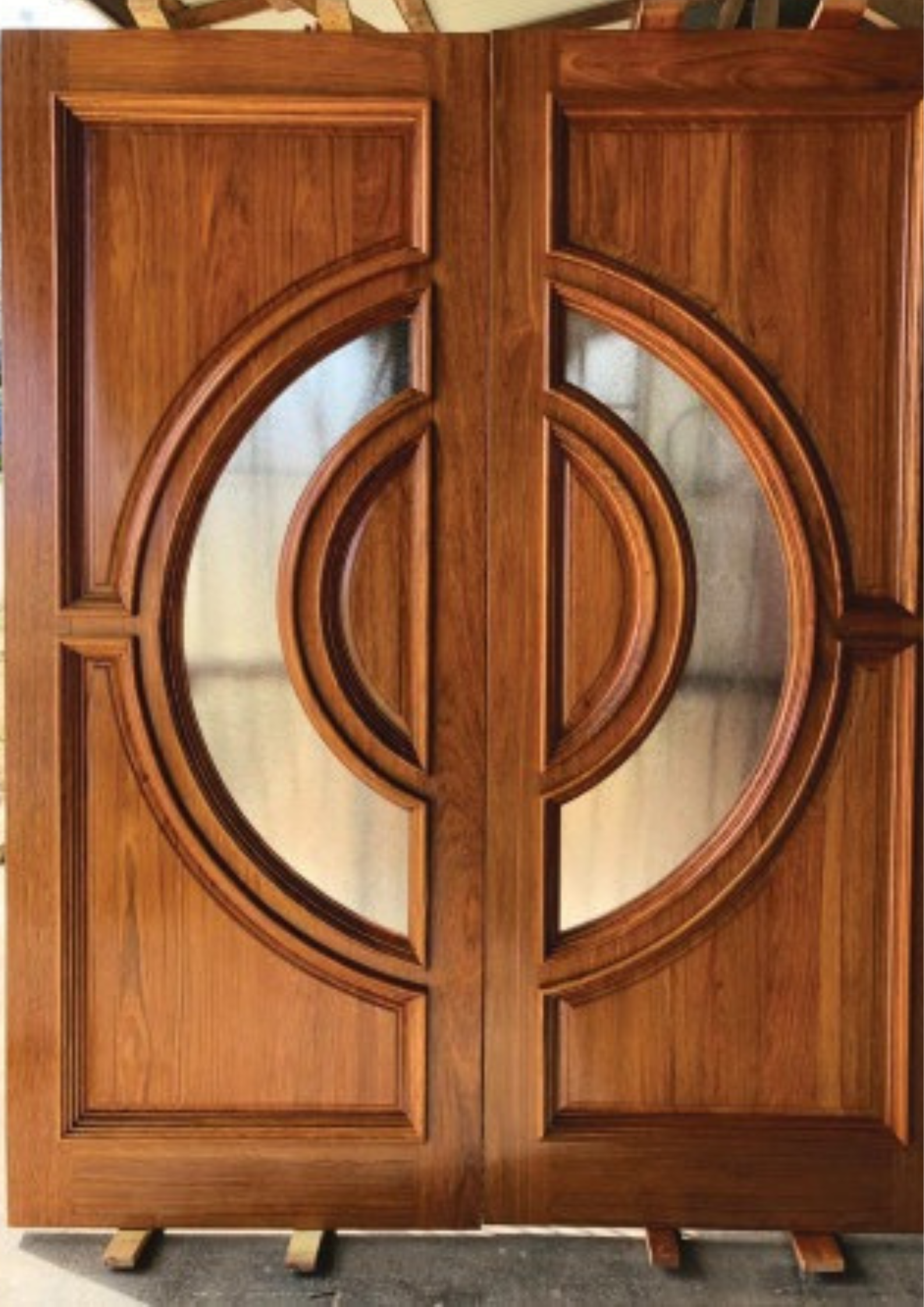
Almost immune to decay and termites,
highly resistant to marine organisms and
f
ire. Extremely resistant to preservative
treatment
purpleheart
-
Scientific Name : Peltogyne spp. -
Family : Caesalpiniaceae (Leguminosae) -
Standard Name : Amarante -
Other Name : Amaranth Nazareno, Pau Roxo, Bois Voilet, Barabu
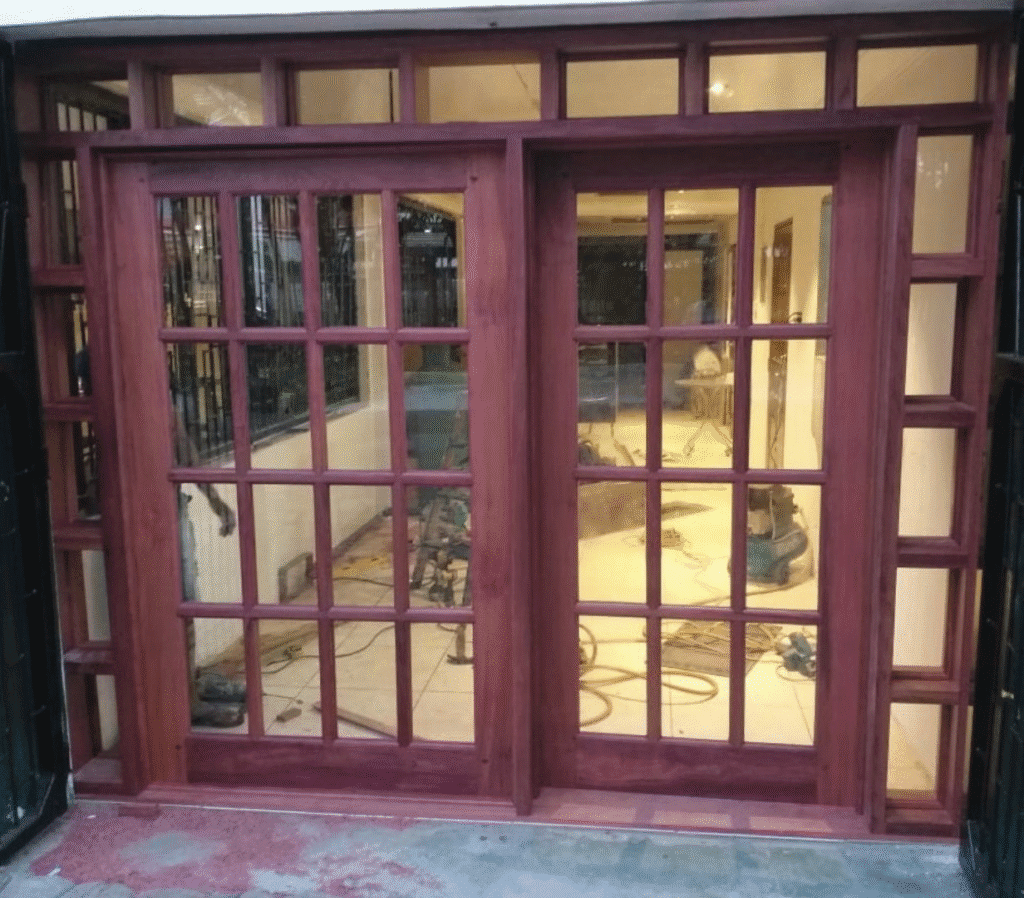
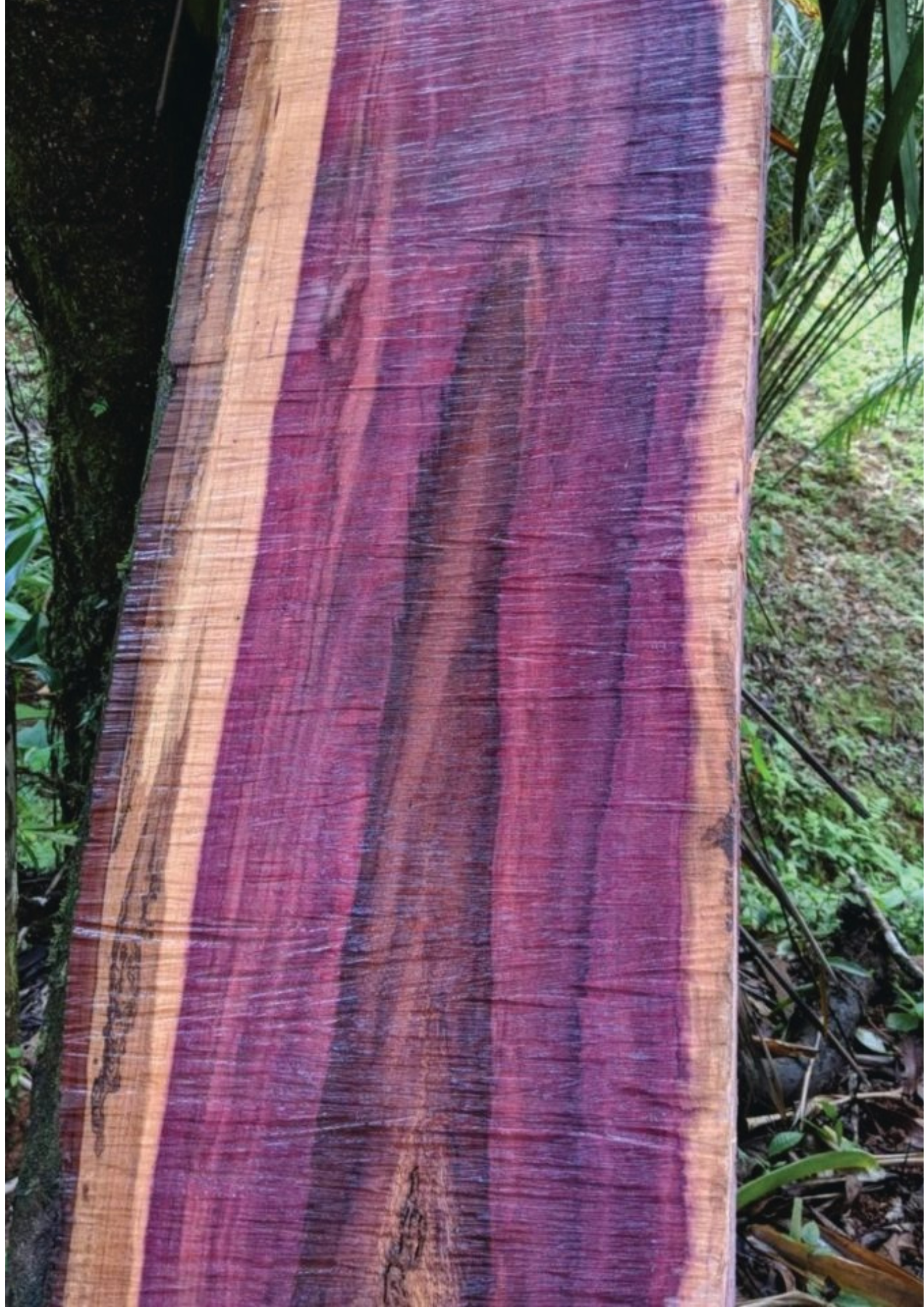
Wood Appearance
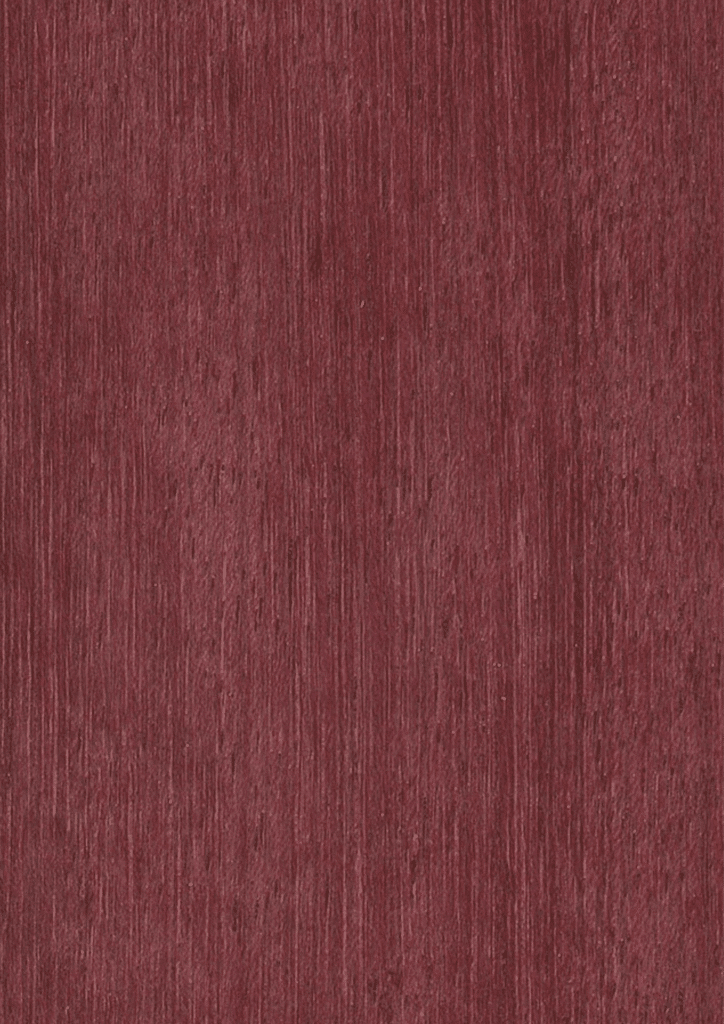
Dull brown when freshly cut and rapidly oxidizes to violet-purple on exposure to light, gradually
toning down in course of time to dark purplish- brown. The sapwood is whitish or cream
coloured and grain is generally straight, sometimes wavy or interlocked. The texture is moderate
to fine. The bole is 15-27m in length, cylindrical; diameter 45-90 (-150) cm.
Physical and Mechanical Properties
Wood is very tough, strong and resilient:
1. Air dried density (12%) – 840kg/m3
2. Bending strength (at 12%) – 155N/mm2
3. Modulus of elasticity (at12%) – 16860 N/mm2
4. Compression parallel to grain – 78.5 N/mm2
5. Crushing strength (at 12%) – 79 N/mm2
6. Shock resistance medium
Natural durability
Highly resistant to decay, termites andf
ire. The heartwood is very durable and
extremely resistant to preservatives
while the sapwood is permeable.
kabukalli
-
Scientific Name : Goupia glabra -
Family : Celastraceae -
Standard Name : Goupi -
Other Name : Cupluba, Kopi, Goupie, Copiura
Wood Appearance
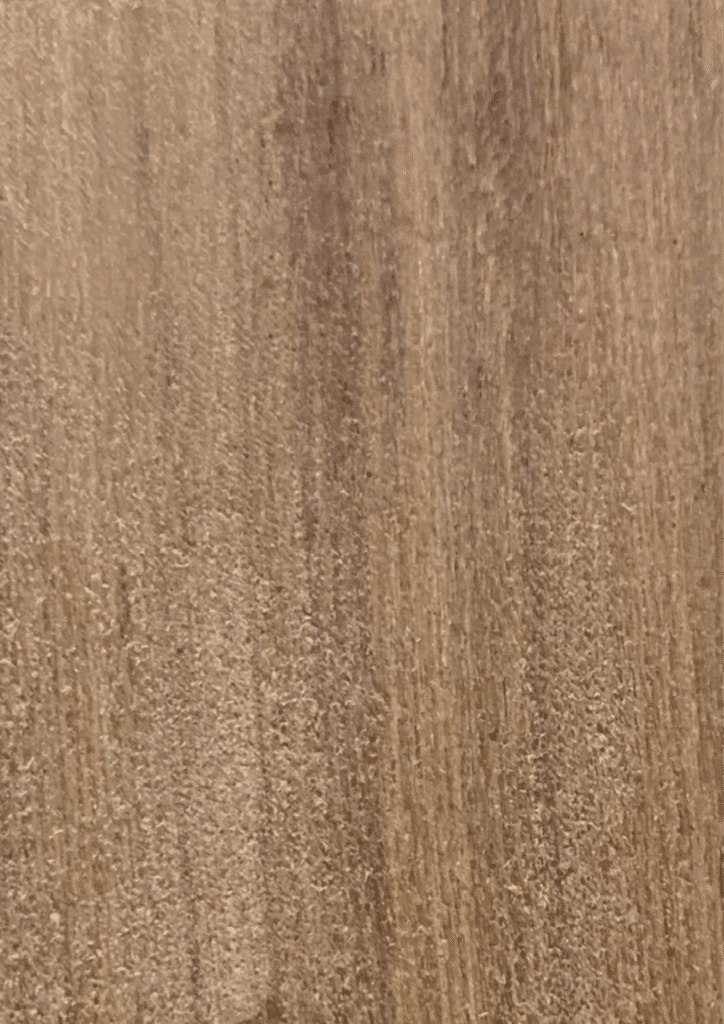
The heartwood is light reddish-brown and of plain appearance, darkening on exposure. The
sapwood is a distinct thick brownish or pinkish colour, and sharply demarcated. Grain is straight,
sometimes interlocked and texture is medium to coarse and rather harsh. The freshly cut timber
has an unpleasant scent which is lost on drying. The bole, cylindrical, is 14-21 m in length with a
diameter of 60-100 (-150) cm.
Physical and Mechanical Properties
This is a tough, hard wood with satisfactory mechanical strength (stronger than European oak)
and medium and dimensional stability
1. Air dried density (12%) -840kg/m3
2. Bending strength (at 12%) – 122 N/mm2
3. Modulus of elasticity (at 12%) – 14700 N/mm2
4. Crushing strength (at 12%) – 62 N/mm2
Natural durability
Good durability. Withstands both insect and fungal
attack, even under unfavorable conditions of use.
crabwood
-
Scientific Name : Carapa guianensis -
Family : Meliaceae -
Standard Name : Andiroba -
Other Name : Krapa, Guino, Figueroa, Tangare, Carapa, Crappo
Wood Appearance
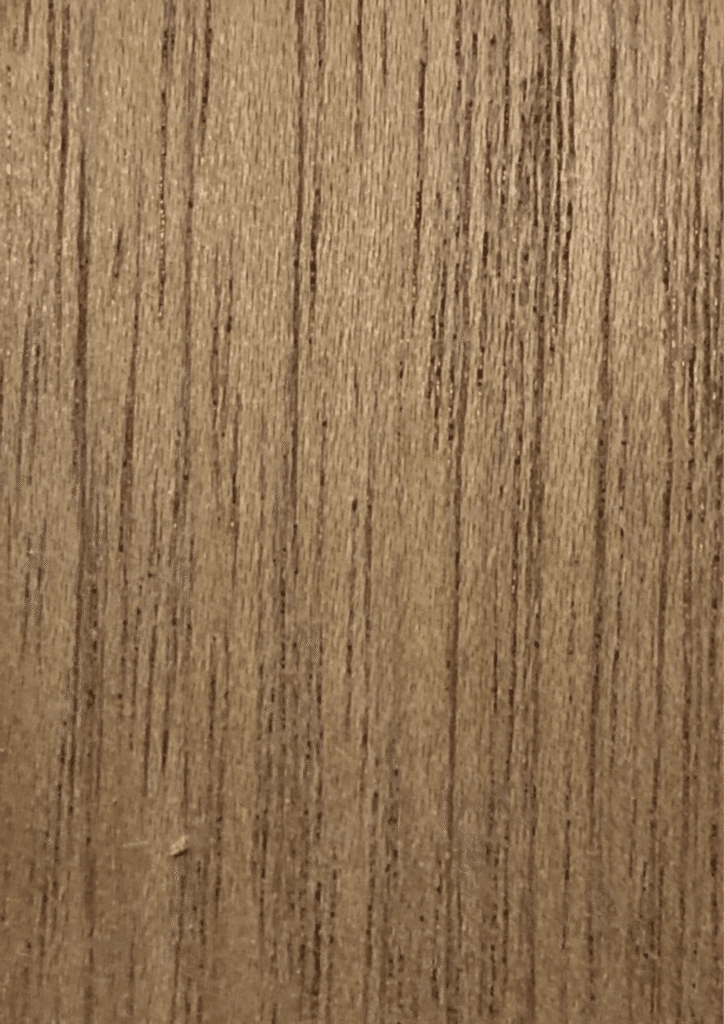
The heartwood varies from pale pink to rich red-brown when freshly sawn, darkening to a
uniform dull reddish-brown. The sapwood is pale brown or oatmeal coloured, not always
sharply defined. Wood resembles a plain mahogany in appearance but lacks its natural luster.
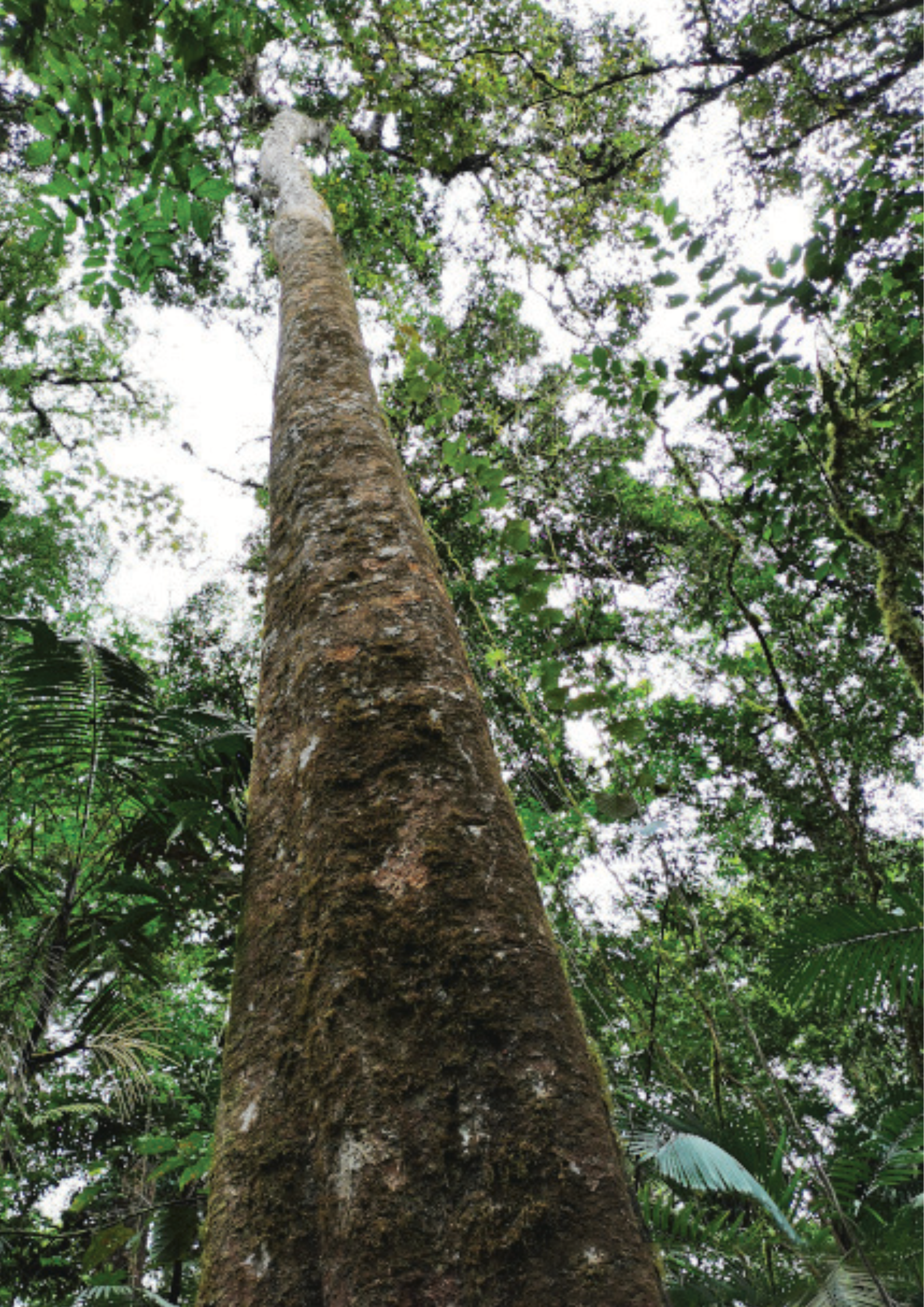
The texture is medium to coarse; grain is generally straight but sometimes interlocked. The bole
is 15-20m in length with a diameter of 65-95 (- 180) cm.
Physical and Mechanical Properties
Comparable in strength to European Beech. Small
movement. Moderately hard with good mechanical
properties and is fairly stable in use.
1. Air dried density (12%) – 670kg/m3
2. Bending strength (at 12%) – 111 N/mm2
3. Modulus of elasticity (at 12%) – 11800 N/mm2
4. Crushing strength (at 12%) – 59 N/mm2
Natural durability
Heartwood is moderately durable
and fire resistant. Logs prone to
attack by ambrosia (pinholeborer)
beetles.
locust
-
Scientific Name : Hymenaea courbaril -
Family : Caesalpiniaceae -
Standard Name : Courbaril -
Other Name : Copalier, Algarrob, Gaupinal, Jatoba
Wood Appearance
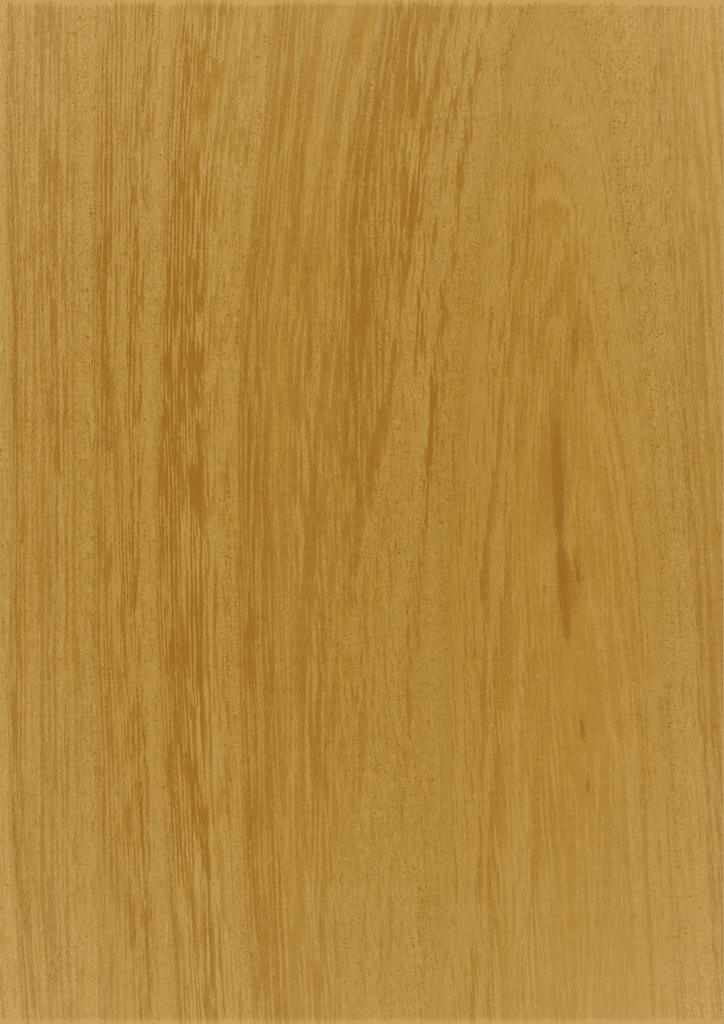
The heartwood is light brown to brown often with dark streaks and a subdued golden glow. The
sapwood of whitish grey colour is sharply defined. Texture is medium to coarse with straight
grain straight. There is medium luster and distinct uniform vessel lines. The bole is 18-25m in
length, with diameter 50-120 (-150) cm.
Physical and Mechanical Properties
Very hard and strong. Moderate shrinkage, relatively stable once dry. Good mechanical properties, especially elasticity;
1. Air dried density (12%) – 880kg/m3
2. Bending strength (at 12%) – 172N/mm2
3. Modulus of elasticity (at 12%) – 18500 N/mm2
4. Crushing strength (at 12%) – 84 N/mm2
Natural durability
Very resistant to decay.